
If you drive in Richmond Hill, your car doesn’t just get “dirty”—it collects road salt, traffic film, pollen, brake dust, and gritty debris that can slowly wear down paint and trim. That’s why “Why is it important to wash your car regularly?” isn’t a cosmetic question; it’s a maintenance one. Regular washing protects the clear coat, helps prevent corrosion, and makes it easier to spot small problems early (like chips, tar, or stains) before they become expensive repairs.
In this guide from Auto Stars Collision & Mechanic, we’ll answer “Why is it important to wash your car regularly?” with real-world detail: what builds up on your vehicle, what damage it can cause, how often to wash in Ontario seasons, and simple habits that keep your paint, wheels, and underbody in better condition—without turning car care into a second job.
What "Regular Washing" Actually Means
Most drivers hear “wash it regularly” and think it means weekly, no matter what. In reality, a regular routine is more about responding to conditions than sticking to a calendar.
A practical definition is washing often enough to remove harmful buildup before it bonds to paint or sits long enough to cause corrosion. That might mean more frequent washes in winter and fewer in mild, dry weeks. If you’re trying to understand “Why is it important to wash your car regularly?”, start with this idea: your car’s finish is protective, but it’s not invincible—especially when contaminants are left in place.
Why Is It Important To Wash Your Car Regularly? The Damage Happens Quietly
A car can look “fine” from five feet away and still be taking a beating at the surface level. Here’s what’s happening on a typical vehicle between washes:
- Road Salt And Brine: These accelerate corrosion, especially around wheel wells, rocker panels, and underbody seams—common rust zones in Ontario.
- Traffic Film: A mix of exhaust residue and oily grime that dulls paint and can trap abrasive particles against the clear coat.
- Bird Droppings And Bug Splatter: Acidic residue can etch the clear coat if left too long, particularly in warm weather.
- Tree Sap And Pollen: Sap hardens and bonds; pollen holds moisture and can contribute to staining.
- Brake Dust: Metallic particles can embed in wheel finishes and become difficult to remove safely.
This is the core answer to “Why is it important to wash your car regularly?”: many of the most damaging contaminants don’t cause instant, dramatic damage—they chip away at the finish over time.
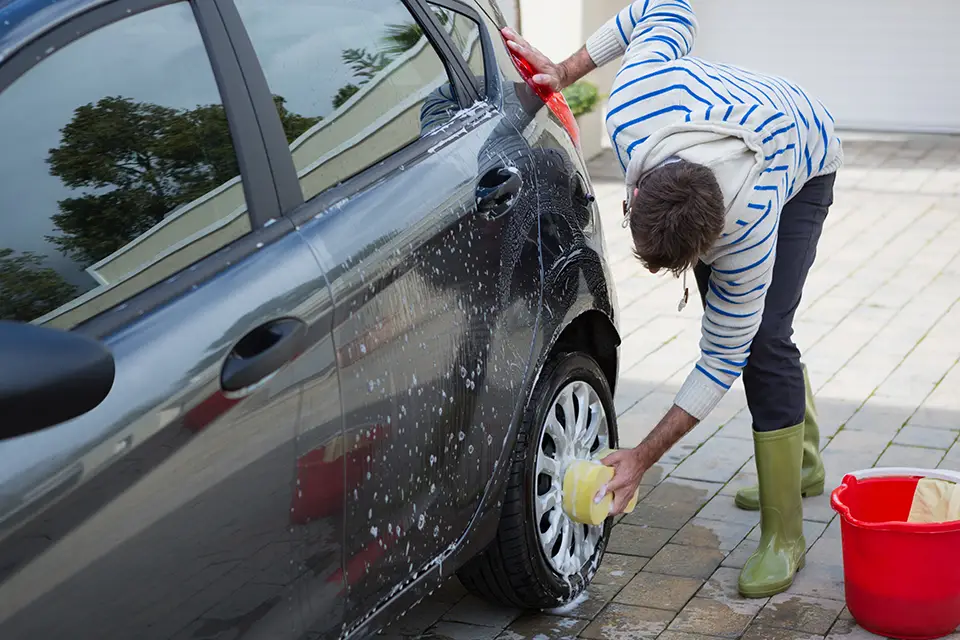
What Happens When Dirt And Salt Sit Too Long
Letting buildup sit can turn a simple wash into a more aggressive cleaning job later—exactly what you want to avoid for long-term paint health.
When you delay, you often need stronger chemicals, heavier scrubbing, or repeated passes—each one increasing the chance of fine scratches and swirl marks. This is one of the overlooked reasons “Why is it important to wash your car regularly?” matters: gentle, consistent cleaning is safer than occasional “deep scrubs.”
Over time, neglected buildup can contribute to:
- Clear coat dulling and fading
- Staining or etching from droppings, bugs, or sap
- Rust risk at chips, edges, and seams
- Premature wear on trim, badges, and wheel finishes
Why Is It Important To Wash Your Car Regularly? Because Ontario Winters Are Hard On Vehicles
If you only change one habit all year, make it winter washing. Salt spray doesn’t just coat the sides—it collects underneath, in wheel wells, behind liners, and around suspension components.
A winter wash should include an underbody rinse whenever possible. That step is a direct, practical response to “Why is it important to wash your car regularly?” in an Ontario climate: it reduces the time salt sits on metal parts and seams.
A realistic winter approach: wash every 7–14 days, and sooner after major storms or heavy highway driving. Even if it’s “just a rinse,” removing salt is still protective.
Smart Wash Timing: When To Wash (And When To Wait)
Washing at the wrong time can be frustrating—or even counterproductive—so timing matters.
- After Salted Road Conditions: Wash as soon as temperatures allow and before the next cold snap bakes salt residue on.
- After Long Highway Drives: Road film and debris are heavier at speed; a quick wash helps prevent buildup.
- After Bugs or Bird Droppings: Spot-clean quickly; don’t wait for the next full wash.
- Avoid Direct Midday Sun In Summer: Soap and water can dry too fast and leave spots.
- If It’s Below Freezing: Use a heated wash bay or a professional wash setup to reduce icing issues.
A Simple Routine That Prevents Paint Damage
You don’t need a showroom-level process. You need a repeatable routine that reduces scratching and removes the worst contaminants.
Here’s a straightforward approach that aligns with “Why is it important to wash your car regularly?” without overcomplicating it:
- Pre-Rinse First: Knock off grit before touching paint to reduce scratching.
- Use Two Buckets (If Hand Washing): One for soapy water, one for rinsing the mitt; it keeps grit out of your wash water.
- Wash Top To Bottom: Roof and windows first, lower panels last—lower areas hold the most grime.
- Use Microfibre, Not Old Towels: Cleaner, gentler drying reduces swirl risk.
- Clean Wheels Separately: Brake dust is abrasive—don’t cross-contaminate paint tools.
- Finish With A Quick Protective Layer: A spray wax or sealant helps water bead and makes the next wash easier.
This is a “maintenance mindset” answer to “Why is it important to wash your car regularly?”—protect the finish with small, consistent steps, not occasional heavy effort.
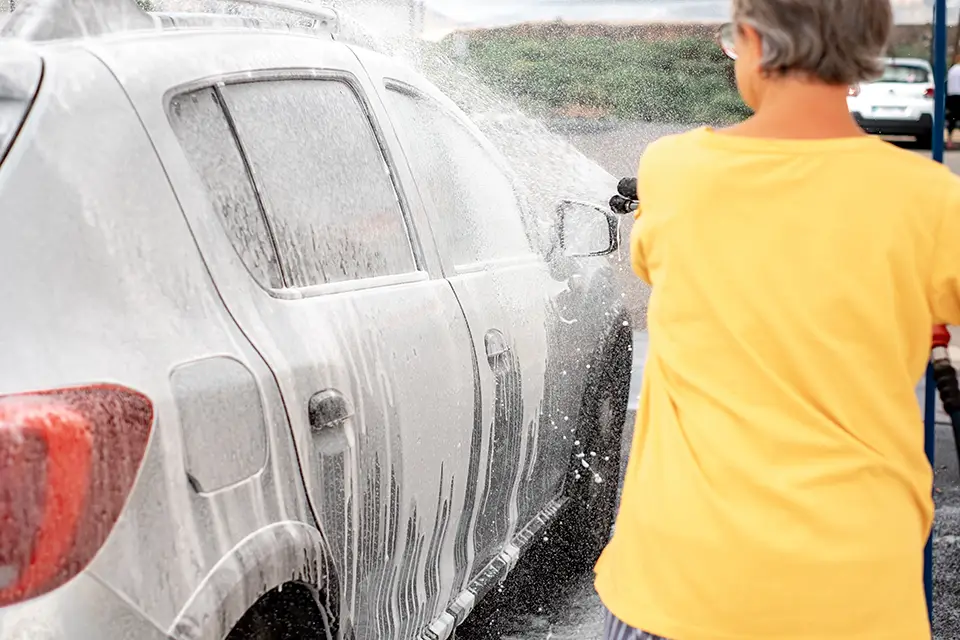
Why Richmond Hill Drivers Choose Auto Stars For Paint-Safe Care
Keeping your vehicle clean is one side of protection; correcting paint damage properly is the other. At Auto Stars Collision & Mechanic in Richmond Hill, our approach is straightforward: preserve the factory finish where possible, and repair damage the right way when needed.
If you’re noticing persistent staining, scratched clear coat, rock chips, or areas where paint looks dull despite washing, our team can help you understand what’s surface-level versus what needs repair. That local, practical guidance is part of answering “Why is it important to wash your car regularly?”—because a good routine works best when small issues are handled early.
Conclusion
If you’ve ever asked, “Why is it important to wash your car regularly?”, the simplest answer is that washing protects value by protecting materials—paint, clear coat, trim, wheels, and the underbody. It also makes maintenance easier: less buildup, less aggressive cleaning, fewer hidden chips, and a lower risk of rust over time.
If you want help deciding what your vehicle actually needs—whether it’s just better wash habits, chip touch-ups, paint correction, or repairs after cosmetic damage—Auto Stars Collision & Mechanic in Richmond Hill can take a look and give you a clear, practical recommendation. No pressure, just the next logical step based on what you’re seeing on your car today.
FAQs — Why Is It Important To Wash Your Car Regularly?
Why is it important to wash your car regularly?
Because it removes salt, grit, and acidic contaminants before they damage clear coat, stain paint, or contribute to corrosion. Regular washing is preventative maintenance, not just appearance.
How often should I wash my car in winter in Ontario?
A common guideline is every 7–14 days, and sooner after storms or heavy highway driving. The more salt you drive through, the more valuable frequent washes and underbody rinses become.
Do automatic car washes damage paint?
Some can, especially older brush-style washes that may trap grit and create fine scratches. Touchless washes reduce contact risk, and careful hand washing with clean tools can be very paint-friendly.