Small dents can make a good car look tired—hail dimples on the hood, a door ding from the grocery lot, or a bump on the quarter panel that catches every shadow. At Auto Stars Collision & Mechanic in Richmond Hill, Ontario, we use paintless dent repair (PDR) to remove those dents from the inside out, keeping factory paint intact and turnaround times short. In this guide, you’ll learn how paintless dent repair (PDR) actually works, when it’s the right choice (and when it isn’t), realistic costs and timelines, and how we check quality so you see a smooth panel in daylight—not just under shop lights. Clear, practical, and human—so you can make a confident decision before you book.
What Paintless Dent Repair (PDR) Actually Does
Most dents don’t break paint; they stretch metal slightly and trap a “low” area under the clearcoat. PDR releases that tension by massaging the metal from behind (or “tapping down” high spots from the front) until the panel returns to its original contour. Because the finish isn’t sanded or repainted, factory colour and texture stay untouched, and you avoid blending neighbouring panels. That’s why properly executed PDR looks invisible and preserves resale value.
When Paintless Dent Repair (PDR) Is the Right Choice
PDR shines in everyday, non-structural damage where paint is intact, and the metal isn’t sharply creased.
- Parking-Lot Dings: Door edges, shopping carts, and light bumps on doors and fenders.
- Hail Damage: Multiple shallow dents across the hood, roof, and trunk—classic PDR work.
- Bodyline Dents (Mild): Even gentle lows on character lines can be corrected by an experienced technician.
- Aluminum Panels: Yes, it’s possible—aluminum is springier and slower to move, but a skilled tech can restore it.
- Lease Returns: PDR quickly cleans up dings that trigger lease-end charges, without repaint risk.
If you’re not sure whether your dent qualifies, clean the area and look closely: intact paint, smooth edges, and a “soft” low are strong signals PDR will work.
When PDR Isn't Ideal (And What to Do Instead)
PDR isn’t magic; it respects physics and paint.
A dent with cracked, chipped, or deeply scratched paint needs refinish work, even if we can reshape the metal. Sharp creases, torn metal, or damage on panel edges with heavy reinforcement may require conventional repair or panel replacement. Likewise, if a previous repair used thick body filler, there may not be enough clean metal memory for paintless dent repair (PDR) to function well. In those cases, we’ll price a blended repair and explain why it’s the longer-lasting choice.
Step-by-Step: The Paintless Dent Repair (PDR) Process
A transparent process makes quality predictable.
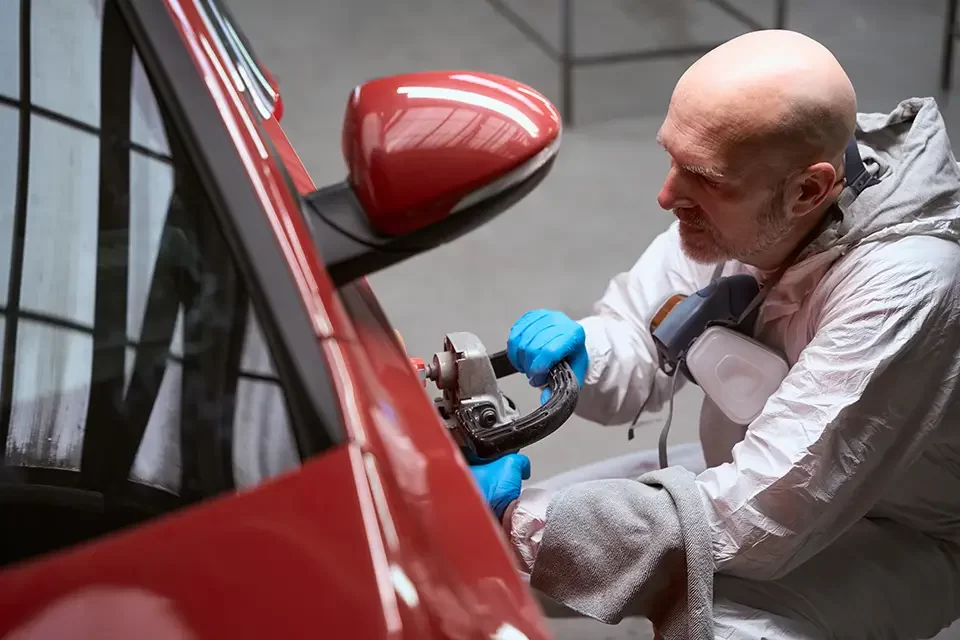
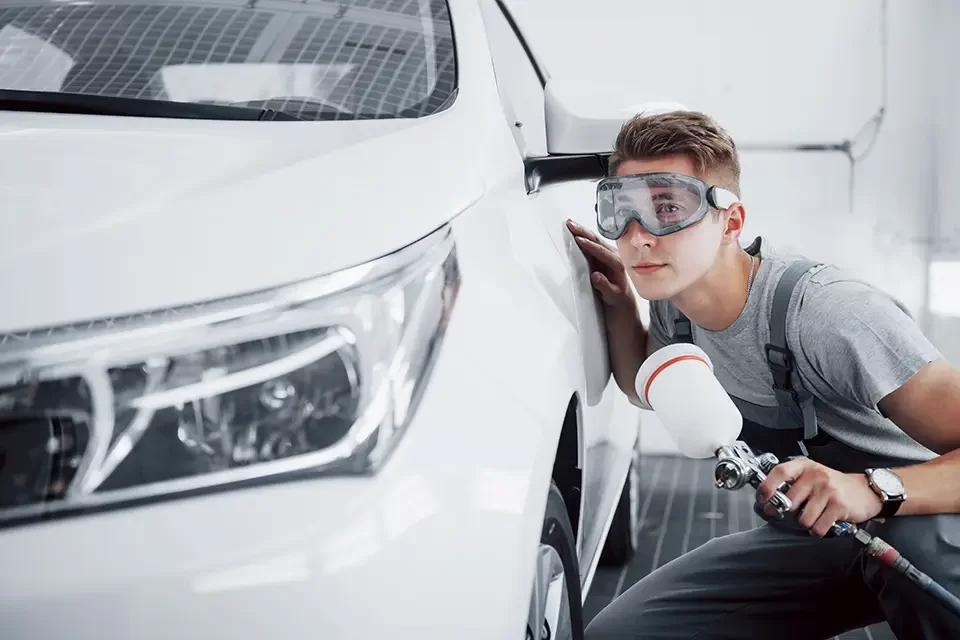
- Lighting & Mapping: Special reflection boards or LED lights reveal highs and lows you won’t see in normal room light.
- Access & Tool Selection: We gently remove trim (where needed) to reach the back of the panel and select precise rods, tips, and knockdowns sized to the dent.
- Metal Massage: Micro pushes from behind bring the low up in controlled passes; small high spots are tapped down from the front to flatten the “orange peel” effect.
- Temperature Control: Warmth helps coax stubborn metal (especially aluminum) without stressing paint.
- Finish Work: We refine the surface until reflections read straight at multiple angles, then reassemble and clean the panel.
This sequence is why experienced paintless dent repair (PDR) looks seamless in sunlight, not just in the bay.
How Long It Takes—and Why
Time depends on dent size, location, panel material, and access.
- Tiny Door Dings: ~30–60 minutes each (often while you wait).
- Moderate Dents (Tennis-Ball Size): ~1–3 hours, more if on a bodyline or aluminum.
- Hail Repair: 1–3 days, depending on volume and number of panels (often coordinated with insurance).
Access is the wildcard. Easy access (door skins, open hoods, trunk lids) is quick; double-wall areas or tight quarters (roof rails, panel edges) add time for tool setup and precision pushing.
Costs & Insurance for Paintless Dent Repair (PDR)
Keeping paint original usually keeps costs friendly—and value high.
- Small Dings: Frequently in the $150–$250 range each, with multi-dent pricing for the same panel.
- Medium Dents: Often $250–$450 depending on size, access, and bodyline difficulty.
- Hail Packages: Estimated by panel and dent count; insurance commonly authorizes paintless dent repair (PDR) to avoid repainting multiple panels.
Prices vary by vehicle, panel material, and access. We’ll light-map your car, show you the plan, and provide a written estimate before work begins. If conventional work would serve you better, we’ll say so and explain why.
Results, Limitations, and What "99%" Means
Honest expectations matter. Most suitable dents return to pre-damage appearance with no visible trace. In a handful of cases—older, stretched metal; previous filler under the area; or microscopic paint bruising—there can be a faint “read” in harsh, low-angle light. If we anticipate that, we’ll point it out before starting and discuss whether a hybrid approach (PDR + minor refinish) is smarter than pure paintless dent repair (PDR).
Quality Checks You Can See in Daylight
We invite you to view panels outside the bay under natural light.
- Move the Car: Walk it in sunlight and shade; look along reflections from multiple angles.
- Panel Gap & Line Check: Lines and gaps should read factory-straight after reassembly.
- Texture Consistency: The orange-peel texture in the clearcoat should look uniform, because we haven’t sanded or sprayed it.
If anything catches your eye, we’ll fine-tune on the spot. A great PDR result holds up in the parking lot, not just under lamps.
Care After Paintless Dent Repair (PDR)
There’s no paint to cure, so you can wash the car as usual. For the next few days, avoid aggressive rubbing on freshly massaged areas and skip automatic washes with harsh brushes, particularly if the dent was on a body line. Regular hand washing and proper drying keep panels clean, so any future door dings are easier to spot quickly.
Local Value: Why Auto Stars Collision & Mechanic, Richmond Hill
You get two advantages in one shop: skilled paintless dent repair (PDR) and full collision capability when dents cross into refinish territory. Our techs work with dedicated PDR lighting, aluminum-ready tools, and OEM trim procedures, then back results with a clear, written guarantee for as long as you own the vehicle. Most importantly, we’ll steer you to the right repair path—not just the one we can do fastest—so your car looks correct in Richmond Hill sun and streetlight alike.
Myths, Debunked
- “PDR is just suction cups.” No—vacuum tools rarely restore complex contours. True PDR is precise metal shaping with specialized rods and tap-downs.
- “You can PDR any dent.” If paint is cracked, metal is torn, or the crease is too sharp, conventional work is safer and more durable.
- “Repainting is always cheaper.” Often the opposite; blending adjacent panels adds time and cost. PDR avoids that when suitable.
- “Aluminum can’t be PDR’d.” It can—carefully. It takes more time and heat management, but the results can be excellent.
Conclusion
The smartest body repair is the one you don’t notice later. When paint is intact, and the dent is suitable, paintless dent repair (PDR) restores shape without sanding, filler, or colour-matching—faster, cleaner, and kinder to resale value. If you’re looking at a door ding, hail dimples, or a gentle bodyline dent, stop by Auto Stars Collision & Mechanic in Richmond Hill, Ontario. We’ll light-map the damage, explain options in plain English, and give you a clear estimate—so you leave with smooth panels and zero guesswork.
FAQs — Paintless Dent Repair (PDR)
How do I know if my dent qualifies for paintless dent repair (PDR)?
Clean the area and check for cracked or chipped paint. If the finish is intact and the dent edges are soft (not sharply creased), there’s a good chance PDR will work. We can confirm with a quick light mapping at the shop.
Can you PDR dents on bodylines or aluminum panels?
Often, yes. Bodylines and aluminum require more time and finesse, but experienced technicians routinely restore them with paintless dent repair (PDR). We’ll assess difficulty up front and price accordingly.
Will the dent come back later?
No—properly completed PDR reshapes the metal back to its original contour. Dents only “return” if the panel is struck again or if prior filler beneath the area prevents full metal memory.
Is PDR cheaper than traditional bodywork?
Usually, PDR avoids sanding, filler, and blending adjacent panels, which reduces labour and materials. For cracked paint or deep creases, conventional repair may still be the right long-term value—we’ll compare both paths.