
Between UV rays, road salt, bug acids, and automatic washes with stiff brushes, Ontario driving is tough on clear coats. At Auto Stars Collision & Mechanic in Richmond Hill, we see how small, consistent habits keep finishes looking new for years—without boutique routines or gimmicks. In this guide, you’ll get expert tips to protect your car’s paint that are practical, evidence-based, and easy to stick with. We’ll map out simple weekly habits, seasonal steps for our winters and summers, and when it makes sense to call in a pro. Use these expert tips to protect your car’s paint to reduce swirls, prevent early clear-coat failure, and keep resale value strong—no fuss, no fluff.
Expert Tips to Protect Your Car's Paint: The Short List
Before we dig into the why, here’s the “at-a-glance” plan we recommend for most daily drivers in York Region. These expert tips to protect your car’s paint are realistic even if you’re busy:
- Touchless pre-rinse, then a proper two-bucket hand wash once every 1–2 weeks.
- Decontaminate (iron remover + clay) every 4–6 months.
- Sealant or ceramic protection appropriate to your driving and parking.
- Microfibre and contact-safe drying only—never bathroom towels or chamois.
- Quick response to bird droppings, bug splatter, and tree sap.
- Sensible parking habits (shade, wind direction, away from sprinklers).
- Winter routine for salt, plus under-body and wheel-well rinses.
- Paint protection film (PPF) on impact zones if you do highway mileage.
- A simple maintenance cadence you can actually follow.
- Know when DIY becomes diminishing returns—book a pro.
1) The Wash Method That Prevents Swirls
Swirls come from dirt dragged across the surface. Cut that risk with a contact-safe process:
- Pre-Rinse Thoroughly: Knock off grit first (self-serve bay or pressure washer at a safe distance).
- Two-Bucket Wash: One bucket for soapy water, one for rinse; use separate microfibre mitts for upper and lower panels.
- pH-Balanced Shampoo: Household soaps strip protection and dry out rubber trims—avoid them.
- Panel-By-Panel: Straight lines, light pressure; rinse the mitt often.
This single habit protects the clear coat more than any miracle product.
2) Decontamination: Iron Removers and Clay Bars
Even with careful washing, bonded contaminants build up (rail dust, brake iron, tar). Twice a year:
- Iron Remover: Spray on cool paint; watch for purple “bleed” as ferrous particles dissolve; rinse well.
- Clay (Or Synthetic Clay Pad): Lubricate generously; glide lightly until the surface feels glassy.
Decon restores slickness so protection layers bond better—and it’s one of the most overlooked expert tips to protect your car’s paint.
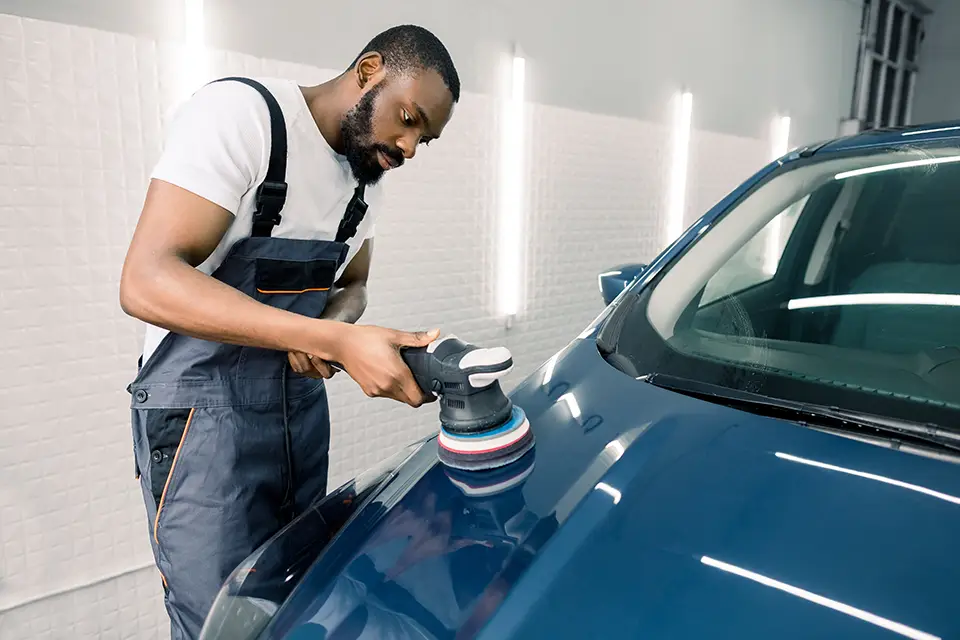
3) Sealants Vs Ceramic Coatings: Expert Tips to Protect Your Car's Paint
Protection creates a sacrificial layer between the world and your clear coat.
- Polymer Sealants: 4–6 months durability, easy to apply, great for daily drivers that see hand-washes.
- Ceramic Coatings (SiO₂/SiC): Multi-year durability, strong chemical resistance, tighter beading, but require clean prep and careful maintenance.
If you park outside year-round or do highway trips, a professional ceramic is a smart investment. If you garage the car and hand-wash, a sealant reapplied every season is cost-effective. Both options belong on any list of expert tips to protect your car’s paint—choose based on lifestyle, not hype.
4) Drying Without Damage (Ditch the Chamois)
Drying is where most marring happens. Safer options:
- Blower or Warm Air: Touchless drying removes water from grills, mirrors, and badges.
- Plush Microfibre Towels: High-GSM, clean, folded; dab and drag lightly in straight lines.
- Rinse-Aid/Detail Spray: Adds lubrication so the towel glides.
Avoid leather chamois and bathroom towels—both create micro-scratches that dull gloss over time.
5) Fast Response to Bird Droppings, Bugs, And Sap: Expert Tips to Protect Your Car's Paint
Acids in droppings and splatter can etch the clear coat within hours on a hot day.
- Keep A Kit in the Trunk: Soft microfibre, pH-safe quick detailer, and enzyme bug remover.
- Soften First, Then Lift: Lay a soaked towel to rehydrate residue; wipe gently—no scrubbing.
- Re-protect The Area: A quick spritz of sealant or detailer restores the sacrificial layer.
This “same-day clean” habit is one of the most powerful expert tips to protect your car’s paint for real-world driving.
6) Smarter Parking Habits (Everyday Damage Control)
Small choices add up:
- Choose Shade Wisely: Trees can drip sap and host birds. A building’s north/east shade is safer than under branches.
- Avoid Sprinklers: Hard-water spots bake minerals into the clear coat.
- Wind Direction: Park nose-away from prevailing wind near dusty lots or construction.
- Garage? Ventilate: A cool, dry space slows oxidation and reduces overnight condensation.
7) Winter In Ontario: Salt Strategy That Works: Expert Tips to Protect Your Car's Paint
Road salt and slush are brutal. A winter-ready plan:
- Frequent Rinses: Even in sub-zero, quick touchless rinses remove salt film that corrodes and hazes paint.
- Focus On Wheel Wells & Rockers: These areas sandblast your finish with brine and grit.
- Top Up Protection: Apply a sealant before the first snow; maintain with a spray sealant after rinses.
- Rubber Care: Treat seals so doors don’t freeze—less chipping as you pry things open.
For our climate, winter discipline is the backbone of expert tips to protect your car’s paint.
8) Paint Protection Film (PPF) On High-Impact Zones
If you commute on the 400/404/DVP, consider PPF:
- Coverage Priorities: Front bumper, full hood, fenders’ leading edges, mirror caps, rocker panels.
- Benefits: Self-healing top coat resists chips and scuffs; preserves resale on dark colours that show damage.
- Coat On Top: PPF plus ceramic makes cleaning effortless.
PPF doesn’t replace washing or protection—it prevents the chips that no coating can stop.
9) A Maintenance Cadence You Can Actually Keep: Expert Tips to Protect Your Car's Paint
Consistency beats intensity. A practical schedule:
- Weekly/Bi-Weekly: Touchless pre-rinse + two-bucket wash; plush microfibre drying.
- Monthly: Top up with a spray sealant after washing.
- Every 4–6 Months: Iron decon + clay + fresh sealant (or ceramic inspection/top-up).
- Seasonal: Inspect for chips; add a dab of touch-up before rust creeps under the clear coat.
Building these into your calendar transforms expert tips to protect your car’s paint into a set-and-forget routine.
10) When To Call A Pro (And What to Ask)
Some jobs are best handled in a controlled shop:
- Machine Polishing: Removes oxidation and swirls safely with measured paint readings.
- Coating & PPF Installation: Controlled lighting, dust-free bays, proper cure times.
- Bodywork & Spot Resprays: When the clear coat has failed, or chips reach colour/primer layers.
Ask for paint-thickness readings, a test section, and a written aftercare plan. Professional corrections paired with your new habits lock in the shine.
Costs, Time, And Realistic Expectations
- DIY Wash Kit: Buckets, mitts, towels, and shampoo: ~$80–$150 upfront; then low monthly costs.
- Sealant Service: Often a few hundred dollars, with 4–6 months of protection.
- Ceramic Coating: Higher upfront; multi-year durability when maintained.
- PPF (Front End): Investment varies by coverage; saves frequent resprays on highway cars.
The goal isn’t the shiniest car one weekend a year—it’s steady gloss all year with minimal time and waste.
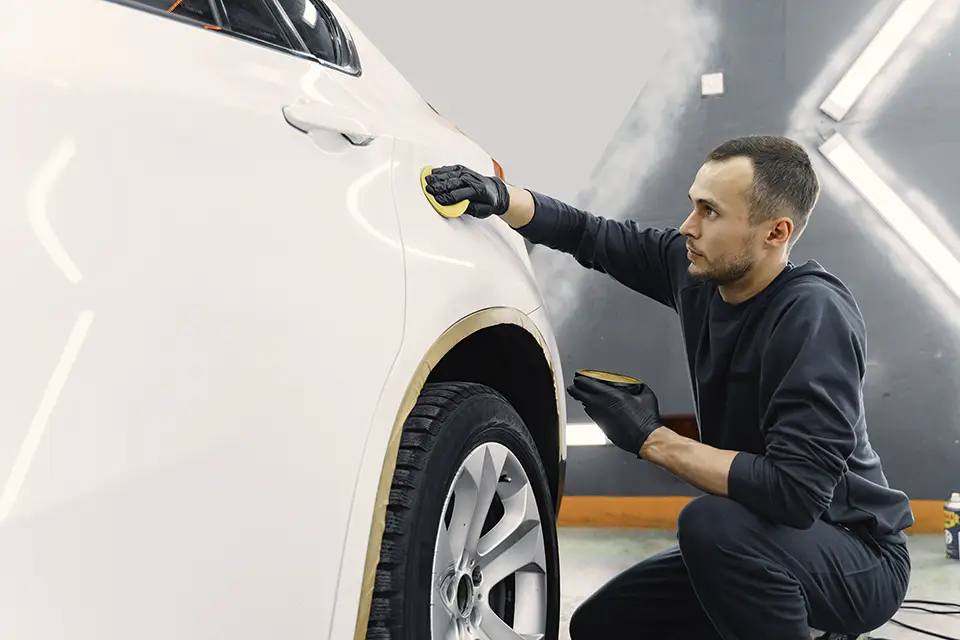
Expert Tips to Protect Your Car's Paint: Why Auto Stars (Richmond Hill)
We combine collision expertise with detailing discipline: paint-safe washing, measured polishing, coatings, and OEM-standard refinishing when repairs are needed. We’ll tailor these expert tips to protect your car’s paint to your commute, parking, and colour, then give you a simple checklist you’ll actually use.
Conclusion
Gloss isn’t luck—it’s a pattern of small, smart habits. With careful washing, periodic decontamination, the right protection layer, and thoughtful parking, you’ll see fewer swirls, better beading, and paint that holds value. Ready to set up a routine or explore ceramic/PPF options? Book a visit at Auto Stars Collision & Mechanic in Richmond Hill. We’ll assess your paint, outline a plan, and help you put these expert tips to protect your car’s paint into practice—so the shine you love is the shine that lasts.
FAQs — Expert Tips to Protect Your Car's Paint
How often should I wash in winter without scratching the paint?
Every 1–2 weeks is ideal. Use a touchless pre-rinse to remove salt film first, then a gentle two-bucket wash on warmer days. Dry with microfibre or warm air to avoid contact marring.
Sealant or ceramic—what's the smarter choice for a daily driver?
If you park outside and rack up highway kilometres, ceramic’s chemical resistance and longevity win. If you garage the car and hand-wash regularly, a seasonal sealant is cost-effective and easy to refresh.
Do automatic tunnel washes ruin finishes?
Brush tunnels often induce swirls by dragging grit. If you must, choose touchless and follow up with a spray sealant at home. Nothing beats a proper hand wash for long-term gloss.