
A fast-moving storm leaves your hood and roof peppered with tiny craters. The car still drives fine—but your eye goes straight to those dimples every time you walk up to it. You’re asking, “Is fixing hail damage worth it?” and you want a practical answer, not a sales pitch. At Auto Stars Collision & Mechanic in Richmond Hill, Ontario, we look at the whole picture: safety, appearance, resale value, insurance rules, and the smartest repair method for your panels and paint. In this guide, you’ll hear “Is fixing hail damage worth it?” answered by scenario, with clear costs, timelines, and when to use paintless dent repair (PDR) versus conventional bodywork. The goal: help you choose the smallest, smartest fix that protects your car and your wallet.
What Hail Actually Does to Your Car (Beyond "Just Dents")
On modern vehicles, hail impacts more than looks. Dents change how light reflects across large panels (hood, roof, trunk), so even small dimples make the whole car seem older. Sharp strikes at panel edges can stretch metal, and repeated hits stress the clear coat. On aluminum hoods (common on newer models), metal memory behaves differently than steel, which can influence the repair method we recommend. None of this means you must repair immediately—but understanding the mechanics makes later choices easier when you evaluate “Is fixing hail damage worth it?”
Is Fixing Hail Damage Worth It? A Quick Answer by Scenario
Different owners, different priorities. Use this fast filter to decide what to do next.
- Leased vehicle (return within 3–18 months):
- Repairs usually are worth it—lease-end inspections charge for excessive wear. Fixing dents now is often cheaper than penalties later.
- Planning to sell or trade within a year:
- Repairs typically return more than they cost because buyers and dealers deduct heavily for visible hail. Clean panels photograph better and appraise higher.
- Keeping the car 3+ years, cosmetic damage only:
- Worth it if dents bother you or you park outdoors (dents can trap grime and make washing/waxing less effective). Otherwise, a “no rush” plan is reasonable.
- Severe damage (hundreds of dents, creased roof rails):
- Insurance-backed repair is usually the best value; out-of-pocket may be high without coverage.
These patterns frame “Is fixing hail damage worth it?” in terms of what you plan to do with the car—not just how it looks today.
Repair Options Explained: PDR vs. Traditional Bodywork
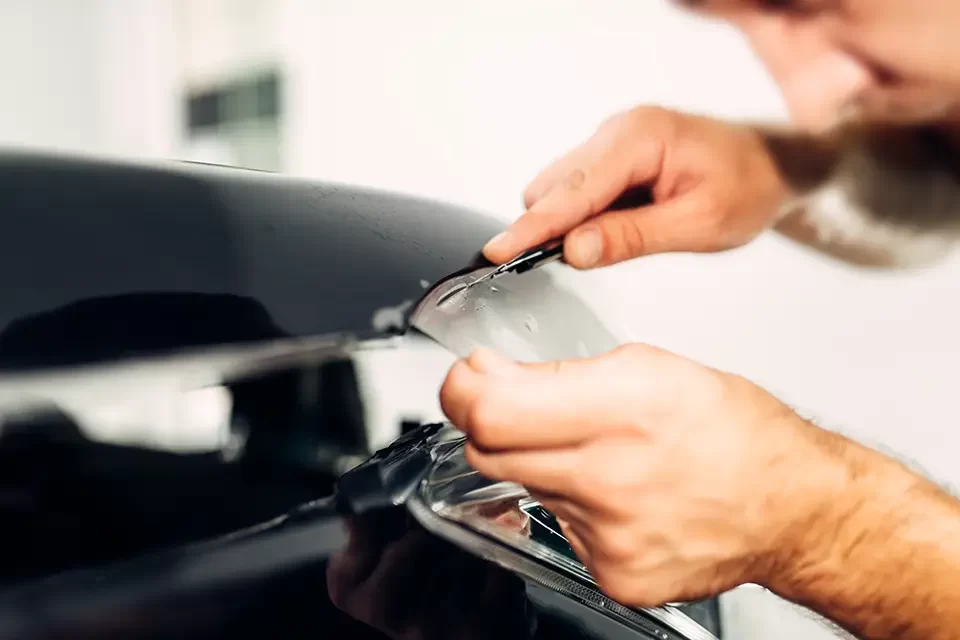
For most hail events, paintless dent repair (PDR) is the first choice. Skilled technicians massage panels from behind or use glue-pull systems to lift dents without repainting. Results are often invisible in normal light, costs are lower than full bodywork, and original paint (a big resale factor) stays intact.
Conventional bodywork—fill, prime, repaint—makes sense when dents have sharp creases, paint is cracked, or panel edges are stretched. It’s also used selectively alongside PDR on the same vehicle (hybrid repairs). When you ask, “Is fixing hail damage worth it?”, the method matters: PDR keeps value high by preserving factory paint, while traditional work restores shape and gloss when the damage is beyond PDR’s limits.
Is Fixing Hail Damage Worth It? How Insurers Think About It
Comprehensive insurance typically covers hail after your deductible. Two details drive the math:
- Total repair estimate vs. your deductible: If PDR restores the car for, say, $1,800 and your deductible is $500, the insurer pays the difference. In most cases, “Is fixing hail damage worth it?” becomes yes—especially when the claim won’t raise your collision premiums (hail is a comprehensive claim; confirm specifics with your insurer).
- Diminished value and future claims: Leaving damage unrepaired can complicate later claims; insurers may argue new dents were pre-existing. A clean, repaired baseline keeps your record simple.
We help you file photos, organize the estimate, and speak with adjusters so you get the fairest, fastest path.
Costs and Timelines (They Vary by Factors)
Costs depend on dent count, depth, panel material, and whether paint is compromised:
- Light hail (dozens of small dents on 1–2 panels): Often addressed with PDR in one day.
- Moderate hail (multiple panels, a few sharper hits): PDR plus limited refinishing, 1–3 days.
- Heavy hail (roof, hood, trunk, rails, many dents): Hybrid repair or panel replacement, 3–7+ days.
We stage work to minimize downtime—common on daily drivers. When calculating “Is fixing hail damage worth it?”, remember that PDR usually costs less than repainting and preserves the factory finish, which buyers and appraisers prefer.
Is Fixing Hail Damage Worth It? Resale, Trade-In, and Lease Returns
Dealers and private buyers price with their eyes. Hail dents telegraph “unrepaired” and lead to bigger deductions than most owners expect. Clean panels can recover thousands at trade-in on newer cars; even older, well-kept vehicles show better online, increasing buyer interest and speed of sale. For leases, inspectors use panel-based criteria; passing those standards often makes “Is fixing hail damage worth it?” a straightforward yes.
When Skipping Repairs Makes Sense (And How to Do It Wisely)
There are times a repair can wait:
- Older commuter with high mileage: If dents are shallow and paint is intact, delaying poses no safety risk.
- Tight budget today: Document the damage thoroughly (photos, date, storm info) in case you revisit a claim soon after.
- You simply don’t mind the look: Keep the car clean and waxed; grime in dimples can dull surrounding paint over time.
If you defer, we still suggest a quick inspection—sharp creases may expose primer later, and catching that early prevents rust.
Our Process at Auto Stars Collision & Mechanic (Richmond Hill)
We built our workflow around clarity:
- Walk-around & light mapping: We use panel lights to count and classify dents accurately.
- Method plan: PDR first; conventional only where necessary.
- Insurance-friendly estimate: Clear line items that adjusters trust, with photo sets.
- Staged scheduling: Prioritize high-visibility panels if you need the car back between stages.
- Quality check in natural light: Dents can hide under shop lamps; daylight tells the truth.
- Delivery & aftercare: Wash guidance and, if repainted, simple curing instructions.
Transparency at each step turns “Is fixing hail damage worth it?” into a calm, informed decision.
Is Fixing Hail Damage Worth It? A Richmond Hill Reality Check
Our weather can swing from humid summers to sudden spring and fall hail cells. Garaging helps, but many commuters park outdoors at work or at GO stations. That means repeat exposure. If you plan to own the car for years, fixing bigger hail events once—and protecting with covered parking, a quality car cover during storm warnings, or strategic parking away from treefall zones—often balances cost, appearance, and convenience.

Mistakes to Avoid (So You Don't Pay Twice)
- Chasing the lowest “per dent” quote: Ultra-low pricing can signal rushed work that distorts metal crowns or “oil-cans” panels.
- Skipping light mapping: Overhead shop light hides dents; proper mapping avoids missed areas.
- Repainting when PDR would do: Unnecessary paint reduces originality and can flag on paint-thickness meters during resale.
- DIY suction cups: They rarely centre correctly and can stretch metal, making professional results harder.
Doing it right the first time is usually the cheapest way to answer “Is fixing hail damage worth it?” with confidence.
Conclusion
The best answer to “Is fixing hail damage worth it?” is the one that fits your plans for the car. If you’re leasing, selling soon, or you care about a clean, factory finish, PDR is often a clear yes—fast, cost-effective, and paint-preserving. If you’re keeping an older commuter and the dents are shallow, a planned deferral can also be sensible. Not sure where you land? Visit Auto Stars Collision & Mechanic in Richmond Hill for a quick light-map assessment and an insurance-ready estimate. We’ll outline the smallest fix that makes the biggest difference, and you can choose what feels right—no pressure.
FAQs — Is Fixing Hail Damage Worth It?
Will paintless dent repair really make the dents invisible?
In most cases, yes. On smooth, round hail dents with intact paint, skilled PDR restores panel shape so dents disappear in natural light. Where creases or edge hits exist, we’ll combine PDR with selective refinishing.
Could leaving hail dents cause rust?
If the paint isn’t broken, the rust risk is low. But sharp hits can micro-fracture the clear coat or primer along the edges. A brief inspection tells us whether repairs—or simple sealant—make sense.
Will a hail claim raise my premiums?
Hail is usually a comprehensive claim, not collision. Many insurers don’t surcharge for weather events, but policies vary. We’ll provide photos and a detailed estimate you can discuss with your provider.
How long will repairs take?
Light hail can be a same-day PDR job. Moderate to heavy cases typically run 1–3 days; severe events or panels needing paint can take longer. We’ll stage work if you need the car between steps.