
Not every scrape means a full repair—but some do. Knowing which issues count as cosmetic damage on cars and when they’re worth fixing can save you time, money, and frustration. At Auto Stars Collision & Mechanic in Richmond Hill, Ontario, we separate “can wait” from “fix now” with clear, practical criteria you can use the moment you notice a mark. In this guide, you’ll learn how body panels, paint layers, and plastic trims actually age; how cosmetic damage on cars affects safety systems and resale; and which repair paths (from spot paint to PDR) offer the best value. You’ll also get timelines, cost ranges, and a simple decision tree you can apply before booking.
Cosmetic Damage on Cars: The Quick Definition (and Why It Matters)
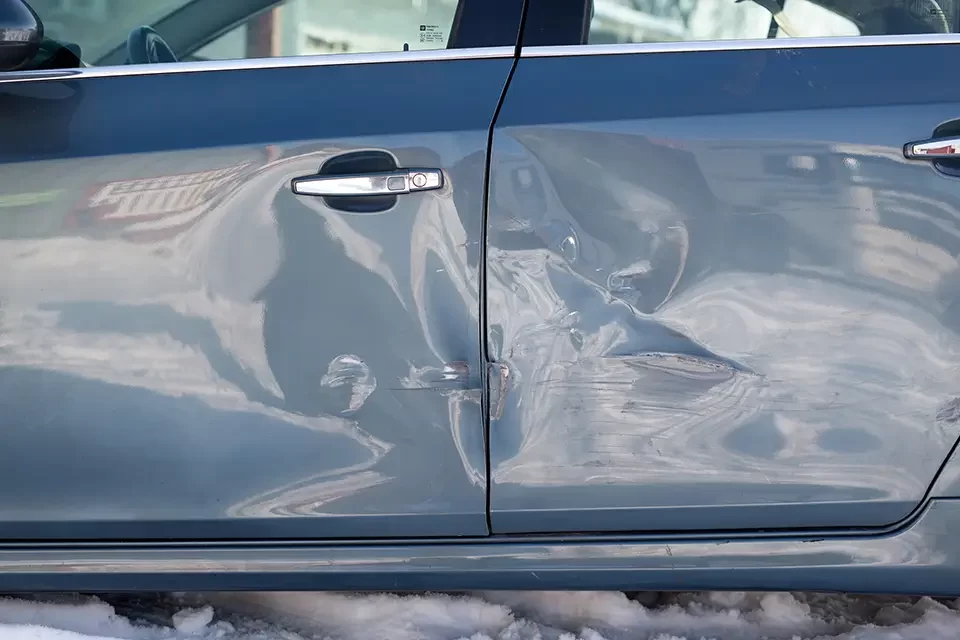
In plain terms, cosmetic damage on cars is surface-level wear that doesn’t immediately affect structural integrity or drivability—things like clear-coat scratches, scuffs on bumper covers, door dings, sun fade, or small paint chips. It matters because paint and clear coat protect metal from moisture and road salt; once that seal is breached, rust risk rises. Left alone, minor issues often migrate from “looks only” to “corrosion and cost,” especially through Ontario winters.
The Layers You're Looking At
Every painted panel is a sandwich: bare metal or plastic; primer for adhesion; colour coat for appearance; and clear coat for gloss and protection. Many “scratches” slice only the clear. If you can’t catch a fingernail, polish may restore it. When the colour layer shows, a touch-up or spot blend prevents staining and oxidation. If you see primer or bare metal, that’s beyond cosmetics—treat quickly, or moisture and salt will do their work. Understanding this stack helps you judge cosmetic damage on cars accurately at a glance.
When to Fix Now vs. Later: A Simple Rule of Three
Use this quick triage to decide how to handle cosmetic damage on cars without second-guessing.
- Protective Risk: Is primer/metal visible? Fix now—seal the surface before rust forms.
- Technology Risk: Are parking sensors, cameras, or radar behind that scuffed bumper cover? Repair/realign—ADAS accuracy can suffer.
- Financial Risk: Are you selling soon or ending a lease? Address visible flaws—small repairs often return multiples in resale value and reduce lease-end charges.
If none apply, log a reminder photo and plan a grouped repair later for efficiency.
Cosmetic Damage on Cars: Common Types and Smart Repairs
A few targeted approaches solve most issues efficiently.
- Clear-Coat Swirls and Light Scratches: Machine polish and protective sealant; fast, affordable, and restores gloss.
- Stone Chips on the Hood or Roof: Clean, prime if needed, and touch up; larger clusters: spot paint and blend to stop rust dots.
- Door Dings Without Paint Break: Paintless Dent Repair (PDR) reshapes metal from behind—no filler, no repaint.
- Bumper Scuffs (Textured Plastic): Localized sand/prime/re-texture/paint; colour match matters more than panel replacement.
- Faded or Cloudy Headlights: Wet sand and UV-stable clear coat; improves night visibility and the look of the entire front end.
These targeted fixes keep cosmetic damage on cars from snowballing into panel replacement later.
How Cosmetic Damage Interacts with Safety Tech
Modern bumpers hide sensors; windshields host cameras; badges can conceal radar. A “scuff” in the wrong spot can misread distance or lane markers. After refinishing, we verify sensor operation and, when procedures require it, perform calibrations. This is where cosmetic damage on cars overlaps safety: the finish must look right, and the tech must read right.
Costs and Timelines for Cosmetic Damage on Cars (They Vary by Factors)
Ontario pricing shifts with colour complexity, panel access, and whether blending is required, but this planning guide will help you budget:
- PDR for Small Dings: Often completed the same day when access is good.
- Spot Paint on Bumper Corners: Typically, a one- to two-day turnaround to allow curing and blending.
- Headlight Restoration: Same-day service with proper UV sealing.
- Polish/Gloss Correction: Same day for single-stage polish; longer for multi-stage correction on darker colours.
We’ll give you a written estimate beforehand, explaining what’s included and how choices affect total time—so cosmetic damage on cars feels predictable, not open-ended.
Cosmetic Damage on Cars: DIY vs. Professional
A few jobs are DIY-friendly; others benefit from pro tools and paint rooms.
- DIY-Friendly:
- Touch-Up on Tiny Chips: Clean, dab, let cure; slows corrosion while you plan a full blend later.
- Basic Hand Polish: Light swirls only; stop if heat or haze appears.
- Better Left to Pros:
- Panel Blends and Colour Matching: Metallics and pearls shift under different light; pro spraying prevents patchy panels.
- PDR Near Braces/Edges: Metal tension is higher; missteps can kink the panel.
- Bumper Repairs Over Sensors: Finish work must preserve sensor function and angle.
Choosing well here keeps cosmetic damage on cars from turning into bigger, pricier problems.
Seasonal Timing in Richmond Hill: Why "Soon" Beats "Spring"
Road salt and freeze-thaw cycles accelerate rust. Small chips on hoods and roofs can bloom into brown halos by March. If you spot cosmetic damage on cars in late fall or mid-winter, sealing before the next storm is smarter than waiting for warmer weather. For non-urgent polishing, spring is fine; for broken paint, sooner wins.
Resale and Lease Return: The Business Case for Small Repairs
A tidy exterior photograph better signals good maintenance. Modest spending on cosmetic damage on cars frequently returns more at private sale and can cut lease-end penalties, especially for bumper corners and wheel scuffs. Bring the lease inspection sheet—we’ll align repairs to the tolerance thresholds that matter, so you’re not fixing what won’t be charged or skipping what will.
Our Process at Auto Stars Collision & Mechanic
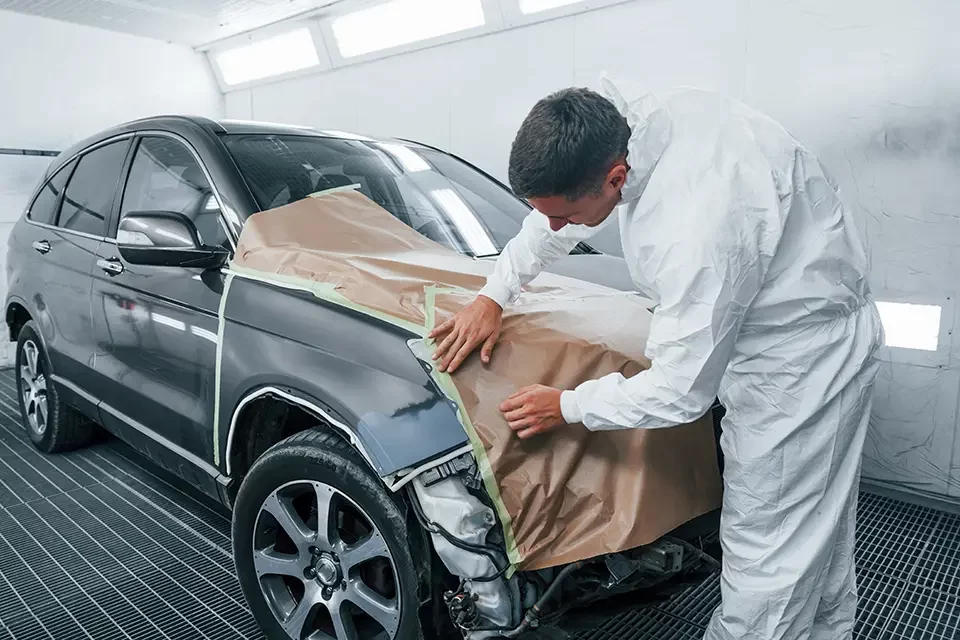
You’ll get a walk-around, paint-depth readings where useful, photos in daylight and shop light, and a side-by-side plan: “minimal to protect” vs “refinish to like-new.” For cosmetic damage on cars, we prioritize the highest-risk flaws first (bare metal, sensor zones), then schedule the rest so you’re not back and forth. Straight talk, clean hand-offs, and a finish that looks right in the driveway—not just under shop LEDs.
Conclusion
You don’t have to fix every mark today, but you should know which ones matter. Treat cosmetic damage on cars like home maintenance: seal breaks fast, plan upgrades when it’s convenient, and align repairs with safety tech and resale goals. If you’re unsure what you’re seeing, drop by Auto Stars Collision & Mechanic in Richmond Hill for a quick assessment. We’ll map risks, outline efficient options, and get you a finish that looks great and lasts—without over-repairing or overspending.
FAQs — Cosmetic Damage on Cars
How can I tell if a scratch is only in the clear coat?
If your fingernail doesn’t catch and the mark fades when wet, it’s often clear-coat level. Many of these cosmetic damage marks on cars can be polished. If colour or primer is visible, plan a touch-up or spot paint.
Is Paintless Dent Repair as good as a traditional repair?
For small dings with intact paint, yes. PDR preserves the factory finish and is faster. If paint is cracked or the dent sits on a sharp body line, we may combine PDR with refinishing to restore cosmetic damage on cars cleanly.
Will bumper repairs affect my parking sensors?
They shouldn’t when done properly. We mask or remove sensors during refinishing and verify function afterward. Certain sensor areas have thickness limits—part of repairing cosmetic damage on cars in a tech-safe way.
Can I wait until spring to fix stone chips?
You can, but winter salt accelerates corrosion. Sealing chips now prevents rust streaks and keeps cosmetic damage on cars from becoming a larger paint job later.